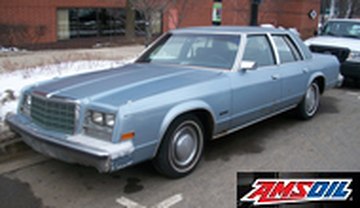
Lubrication Maintenance for the 1981 Chrysler NEWPORT 5.2L
Maintaining a vehicle from the early 1980s requires a shift in perspective compared to modern automotive care. For an owner of a 1981 Chrysler NEWPORT equipped with the 5.2L engine, routine service is not just about following a schedule, but about active monitoring and understanding how aging mechanical systems respond to different operating conditions. Proper lubrication management is a cornerstone of preserving the longevity of this powertrain.
Monitoring Fluid Integrity and Condition
One of the most effective ways to assess the health of the 5.2L engine is through regular observation of its fluids. Rather than relying solely on mileage, an owner should periodically inspect the appearance and consistency of the engine oil. Fresh oil typically has a clear, translucent quality, whereas oil that has undergone significant thermal stress or heavy contamination may appear much darker or even opaque.
When performing a routine check, look for any signs of unusual textures. If the lubricant appears milky or cloudy, this can be an indicator of moisture or coolant entering the system, which warrants immediate investigation. Similarly, if you notice a strong scent of fuel within the oil, it may suggest that combustion byproducts are migrating into the crankcase, potentially affecting the oil's ability to protect engine components. These observations should be treated as diagnostic starting points rather than definitive conclusions, as multiple factors can influence fluid appearance.
Observing Potential Warning Signs
Effective maintenance involves recognizing when a vehicle is communicating a need for attention. For this Chrysler model, several indicators may suggest that the lubrication system requires closer inspection. Visible evidence of seepage around the engine block or near various sealing surfaces is a primary concern. While small amounts of "sweating" can occur as gaskets age, any active drip or significant accumulation of fluid should be addressed to prevent loss of lubrication.
Beyond visible leaks, pay attention to how the engine behaves during operation. Changes in mechanical noise—such as increased tapping or rhythmic clicking—can sometimes be associated with changes in lubricant film strength or volume. Furthermore, if you notice unusual exhaust smoke, it may indicate that oil is entering the combustion process. Because these symptoms can have many different origins, they should be investigated by a professional to determine the exact cause rather than assuming a specific component has failed.
Prioritizing Long-Term Engine Care
As vehicles age, maintenance priorities often shift from simple part replacement to condition-based management. For a 1981 Chrysler NEWPORT, this means establishing a baseline of what "normal" looks like for your specific engine. If you do not have a complete service history for the vehicle, your first priority should be to document current fluid levels, the condition of visible hoses and belts (if equipped), and any existing minor leaks.
Once a baseline is established, you can more easily identify deviations. For example, if you notice that the engine requires more frequent top-offs than it did six months ago, you have identified a change in consumption that needs to be tracked. Keeping a detailed log of every oil change, filter replacement, and observed leak allows you to distinguish between a sudden mechanical issue and the gradual, expected aging of various seals and gaskets. This data-driven approach helps prevent unnecessary repairs while ensuring that critical maintenance is never overlooked.
Inspecting Aging Components and Seals
The materials used in 1981, including various rubberized seals and gaskets, are subject to the effects of time and heat cycles. During routine service, it is beneficial to perform a visual inspection of accessible areas for signs of deterioration. Inspecting gaskets and seals for age-related seepage or leakage is a proactive way to catch small issues before they become significant.
If your vehicle is equipped with various drive belts, check them for signs of cracking, glazing, or fraying. Similarly, if any cooling hoses are visible during your inspection, look for evidence of softening, swelling, or brittleness. While these components may appear functional, their condition can change rapidly due to environmental exposure and engine heat. Addressing minor wear in these areas is often much more cost-effective than managing a failure that occurs while the vehicle is in motion.
The Role of Lubrication in Engine Protection
Engine oil performs several vital roles that are essential for the continued operation of the 5.2L engine. Beyond simply reducing friction between moving parts, the lubricant acts as a medium for heat management by carrying thermal energy away from high-friction areas. It also serves as a cleaning agent, helping to suspend microscopic particles and prevent them from settling into sludge or heavy deposits within the engine.
Maintaining the correct quality of oil is essential for these functions. As oil ages, its chemical additives—which are designed to combat oxidation and neutralize acids—gradually deplete. This depletion can lead to a loss of thermal stability and reduced protection against internal contamination. By adhering to consistent service intervals and using appropriate lubricants, you ensure that the engine remains protected against the cumulative effects of heat and combustion-related wear.
Practical Guidance for BUYING ENGINE OIL for your 1981 Chrysler NEWPORT 5.2L
When it is time to replenish your engine's lubricant, the most important step is to ensure the product matches the specific requirements of your application. Do not rely on general automotive knowledge or assumptions based on the age of the vehicle to select a grade. Instead, match the engine oil to the application-specific viscosity information already displayed on this webpage.
As you shop for products, consider the following practical steps:
- Verify the Label: Always check the product packaging to ensure the SAE viscosity and API service classifications align with the information provided in your vehicle's documentation.
- Evaluate Formulations: Depending on your engine's current condition, you may encounter various options such as conventional, synthetic blends, or full synthetic oils. Some high-mileage oil formulations contain additives intended for use in aging engines, including seal-conditioning additives that may be beneficial for older seals.
- Check Certification: Ensure the oil carries the appropriate modern API certification to guarantee it meets current standards for deposit control and engine protection.
By following the specific viscosity and application details listed on this page, you can make an informed decision that supports the continued health of your 1981 Chrysler NEWPORT's 5.2L engine.